
I've been in the home game a long time. I’ve built over 400 houses, I’ve walked thousands of properties as a broker at Collab-RT Realty, and I spend most of my days helping people figure out how to not ruin their dream home through Parker Design & Consulting.
The thing is, most people build for how a house looks in a brochure or an Instagram post. They don't build for how it actually feels to live there three years later when the novelty has worn off and the Texas sun is trying to melt their siding. If I were building my own house in Canyon Lake or Spring Branch tomorrow, there are a handful of things I absolutely, 100% would never do.
Why is lot drainage such a big deal in the Hill Country?
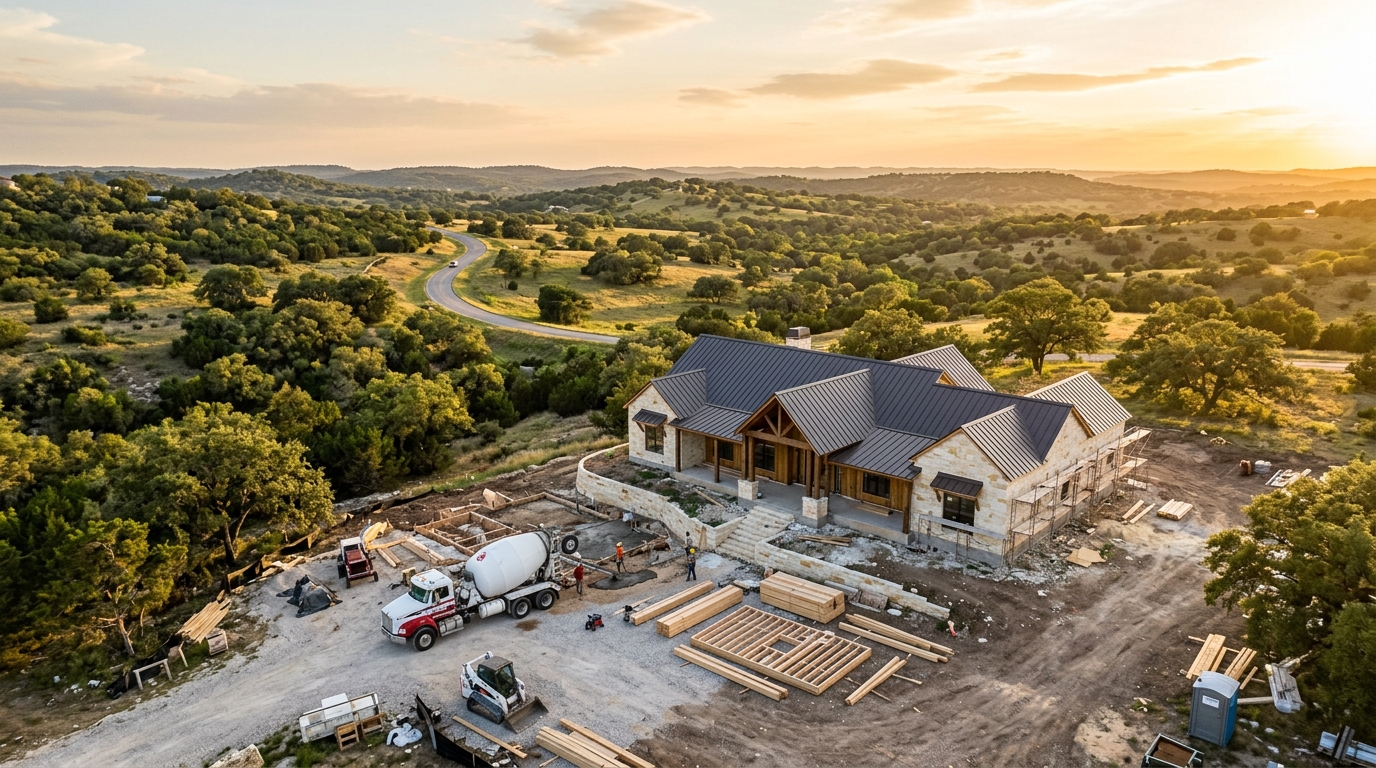
The first thing I’d never do is ignore how water moves across the dirt. It sounds boring, right? Nobody goes to a dinner party and brags about their French drains. But look—water always wins. I’ve seen folks fall head-over-heels for a lot because it has a massive oak tree or a view of the water, but they don't notice that the entire property is basically a funnel for every rainstorm in Comal County.
If you don’t plan for drainage before you pour that slab, you’re asking for a world of hurt. We’re talking about foundation issues, washed-out driveways, and retaining walls that eventually just give up and fall over. I’ve seen people spend $800k on a beautiful build only to have the first big Texas thunderstorm turn their backyard into a swamp. When I look at land, I’m thinking about water flow before I’m even thinking about where the front door goes. It's not the sexy part of the build, but it's the part that keeps you from losing your mind (and your bank account) later.
Are most Texas garages actually too small?
The short answer is yes. In fact, it’s almost a guarantee. I would never, ever build a standard-sized garage. People look at a floor plan and see '2-car garage' and think they’re fine. Then they move in. They’ve got a massive Texas-sized truck, a lawnmower, four bikes, a deep freezer, and three tubs of Christmas decorations. Suddenly, that 2-car garage is a 0-car garage because nothing fits.
If you're building in places like Bulverde or New Braunfels, you’re probably going to have gear. You’re going to have stuff. Adding an extra five feet of width or a third bay is way easier to do on paper than it is to tack on five years from now. A garage that’s too small is a daily annoyance that never goes away.
Don't overcomplicate the roofline
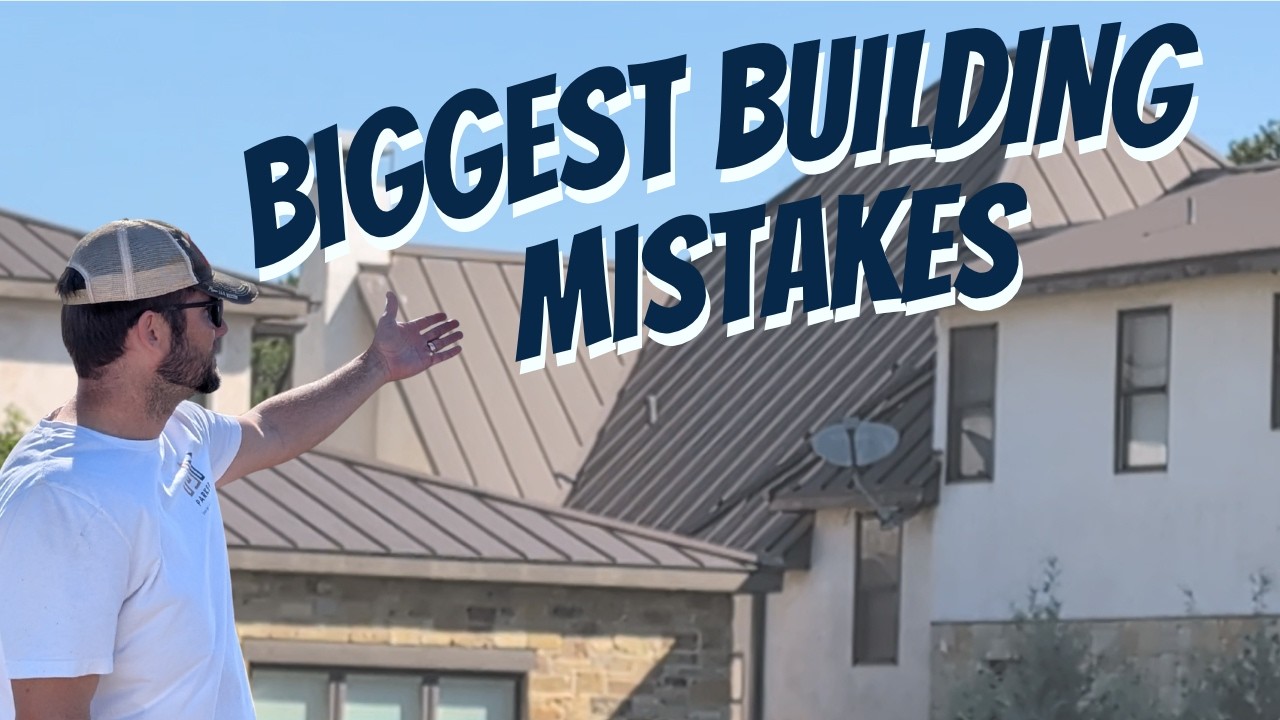
This one gets people in trouble because they want that 'custom' look. They want fifteen different peaks and valleys and crazy angles. I would never do that. Every time two roof planes meet, you’ve got a valley. Every valley is a potential leak point. Plus, framing those monsters is expensive as hell and a total pain to maintain. Some of the most timeless, high-end homes I’ve ever worked on have relatively simple rooflines. It’s about proportions, not about how many triangles you can jam onto the top of the house. In Texas, we get hail, we get crazy wind, and we get heat that expands everything. Simpler is just smarter.
Thinking about making the move? Grab my Free Hill Country Relocation Guide to see which neighborhoods actually make sense for your budget.
Which way should a house face in Texas?
I would never ignore sun orientation. This might be the biggest mistake I see in Hill Country neighborhoods. Someone builds a massive, gorgeous back patio with an outdoor kitchen and a TV mount—and then they realize the back of the house faces due west. From 4:00 PM to 8:00 PM in July, that patio is a literal oven. You can’t sit out there. You can’t even look out the windows because the glare is blinding and your AC is screaming for mercy.
When we’re doing design work at Parker Design & Consulting, we look at where that evening sun is going to hit. You want the shade where you’re actually going to hang out. I want natural light in the kitchen in the morning, but I don't want the sun trying to kill me while I'm grilling a steak in the afternoon.
Is an open floor plan actually practical for real life?
I would never design a house just for the photos. We’ve all seen those 'mega-open' floor plans where it’s just one giant cavernous room. They look great on a website. But then you live there. You realize that if someone is watching TV, you can hear it in every single corner of the house. You realize there’s nowhere to put a hutch or a piece of art because there are no walls.
I’m not saying go back to the 1970s with tiny chopped-up rooms, but a house needs to flow. It needs 'zones.' It needs places where you can actually put furniture and not feel like you're sitting in the middle of a gymnasium. Bigger isn't always better—functional is better.
The mistake of cheaping out on windows
I would never buy cheap windows. This is Texas. The sun is relentless. Bad windows don't just leak air (which makes your electric bill stupidly high); they also just look and feel cheap. I’d rather have a slightly smaller house with high-quality windows and great natural light than a massive house with tiny, plastic-feeling windows that make the place feel like a cave. And while we're at it—put fans on the porch. Big ones. Trust me on that one.
FAQs About Building in the Texas Hill Country
How much does it cost to build a custom home in Canyon Lake?
It varies wildly based on the slope of your lot and the finishes you pick, but generally, you're looking at a range that starts around $250-$300 per square foot for a true custom build, not including the land. Rock excavation can add a surprise bill if you aren't careful.
What should I look for when buying land in Spring Branch?
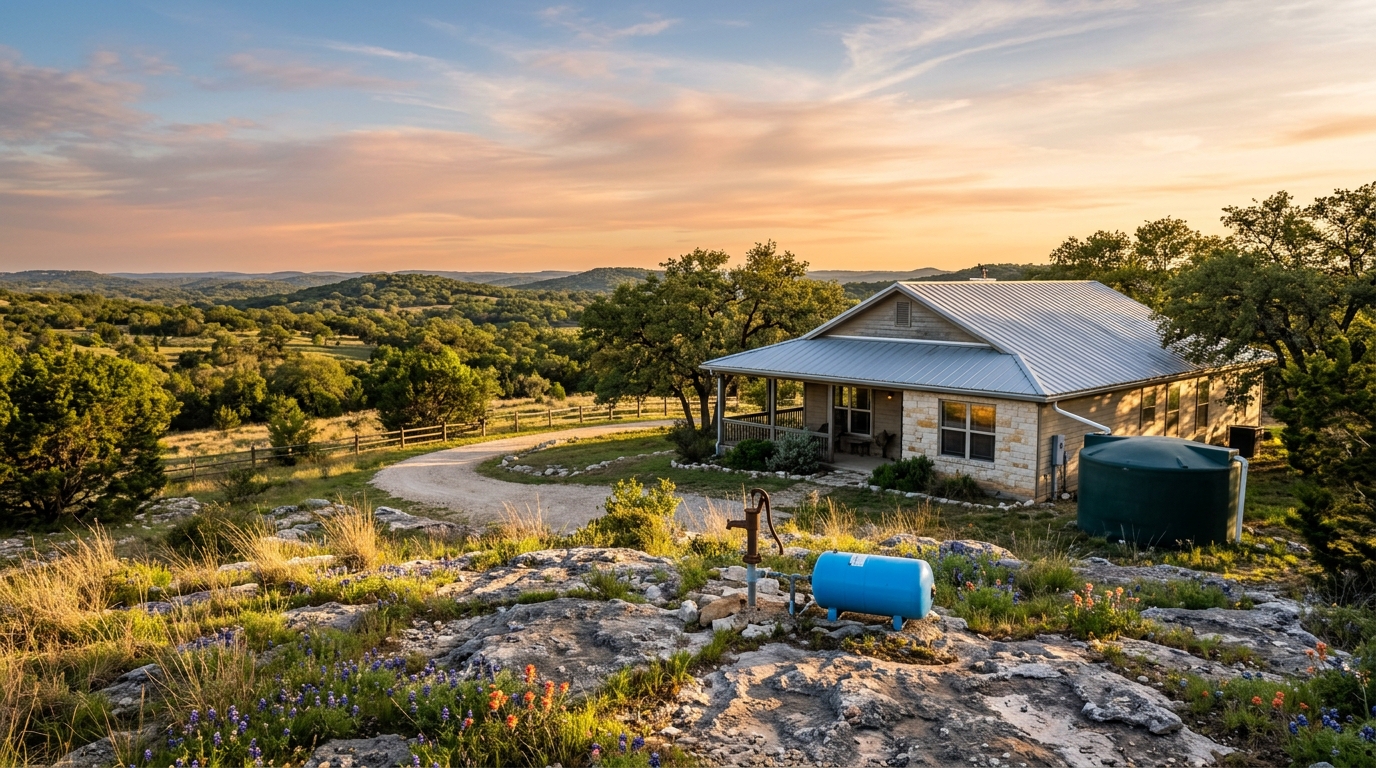
Check the utilities first. Is there a water tap? Do you need a well? How’s the septic perk? Also, look at the restrictions. Some neighborhoods are real picky about the type of stone you use or how many trees you can cut down.
Do I really need a designer if I have a builder?
Builders are great at building, but a designer helps you not make the mistakes I just talked about. Having a plan that actually fits your lifestyle (and your furniture) before the builder ever breaks ground will save you a lot of change-order headaches later.
Building a home is a marathon, not a sprint. Don't get distracted by the shiny stuff and forget about the basics like where the water goes or how hot your patio is going to get. If you need help finding the right spot or figuring out a plan that doesn't suck, give me a shout. I'm usually around.
Leave a Comment